What Are Peptides?
Peptides are short chains of amino acids, the same building blocks that make up proteins in the body. Unlike long, complex proteins, peptides are small and highly specific. They act as messengers, carrying signals that help regulate many natural processes. Your body already makes hundreds of peptides every day.
What’s becoming increasingly studied is how targeted peptides may support or influence natural pathways related to repair, metabolism, mood, energy, and vitality.
How Peptides Work in the Body
Peptides communicate with cells by binding to receptors similar to how a key fits into a lock. When the right peptide connects with its matching receptor, it can activate, modulate, or support specific biological pathways.
Each peptide has a unique “signature,” meaning it communicates different instructions depending on its structure.
Research suggests peptides may:
- support cellular repair signals
- influence inflammation balance
- modulate immune activity
- affect metabolism and appetite signaling
- support cognitive function and mood
- encourage healthy growth hormone pathways
- support tissue, tendon, and muscle recovery
Why Peptides Are Being Studied More Widely
Peptides are drawing interest because they:
- act in highly targeted ways
- tend to have short, predictable activity windows
- mimic or support natural processes
- have broad applications across wellness, resilience, and vitality
- offer a research-backed approach to influencing specific pathways.
Their precision makes them a compelling area of scientific and clinical exploration.
Why Peptides Are Being Studied More Widely
Peptides are drawing interest because they:
- act in highly targeted ways
- tend to have short, predictable activity windows
- mimic or support natural processes
- have broad applications across wellness, resilience, and vitality
- offer a research-backed approach to influencing specific pathways.
Their precision makes them a compelling area of scientific and clinical exploration.
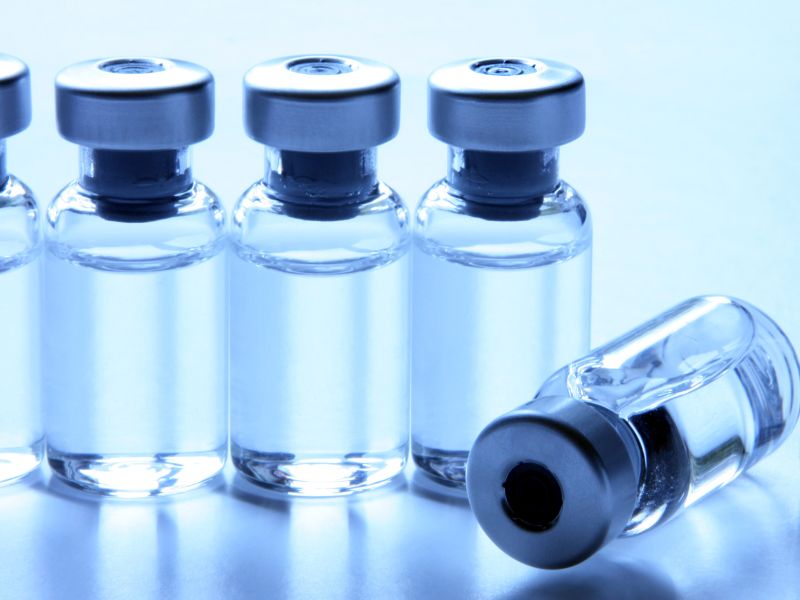
How Peptides Are Prepared
Most peptides arrive as a lyophilized (freeze-dried) powder. Before use, they are typically reconstituted with Bacteriostatic Water (a sterile water containing a small amount of preservative).
Reconstitution:
- turns the powder into a stable liquid
- allows for accurate measurement
- prepares the peptide for use according to clinician’s guidance
For step-by-step preparation instructions, see the Reconstitution Guide.
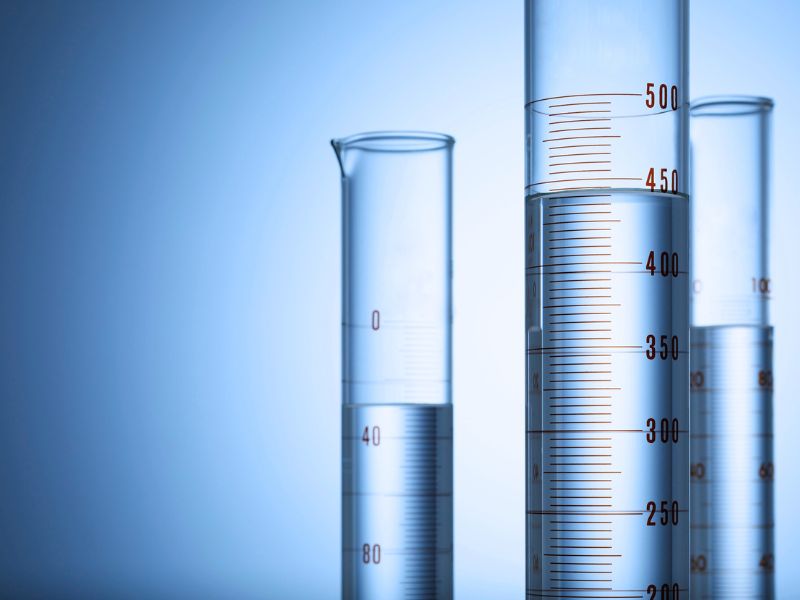
How Peptides Are Measured
Peptides are usually measured in:
- milligrams (mg) — total amount in a vial
- micrograms (mcg) — the amount per dose
- units (U) — the markings on an insulin syringe
- milliliters (mL) — the volume of Bacteriostatic Water added
Because these numbers can feel confusing at first, we provide a simple math guide.

The information on this site is provided for educational purposes only and does not constitute medical advice. Always consult a licensed healthcare provider regarding peptide use, preparation, or suitability.
This website is not affiliated with any medical clinic or provider.
For more information about your peptides or additional peptides, reach out to your physician or wellness provider.